
Cherry and prune pollination: hives per acre and timing
Cherries need most of their flowers to set. Prunes use bees as insurance. How to plan colonies for both.
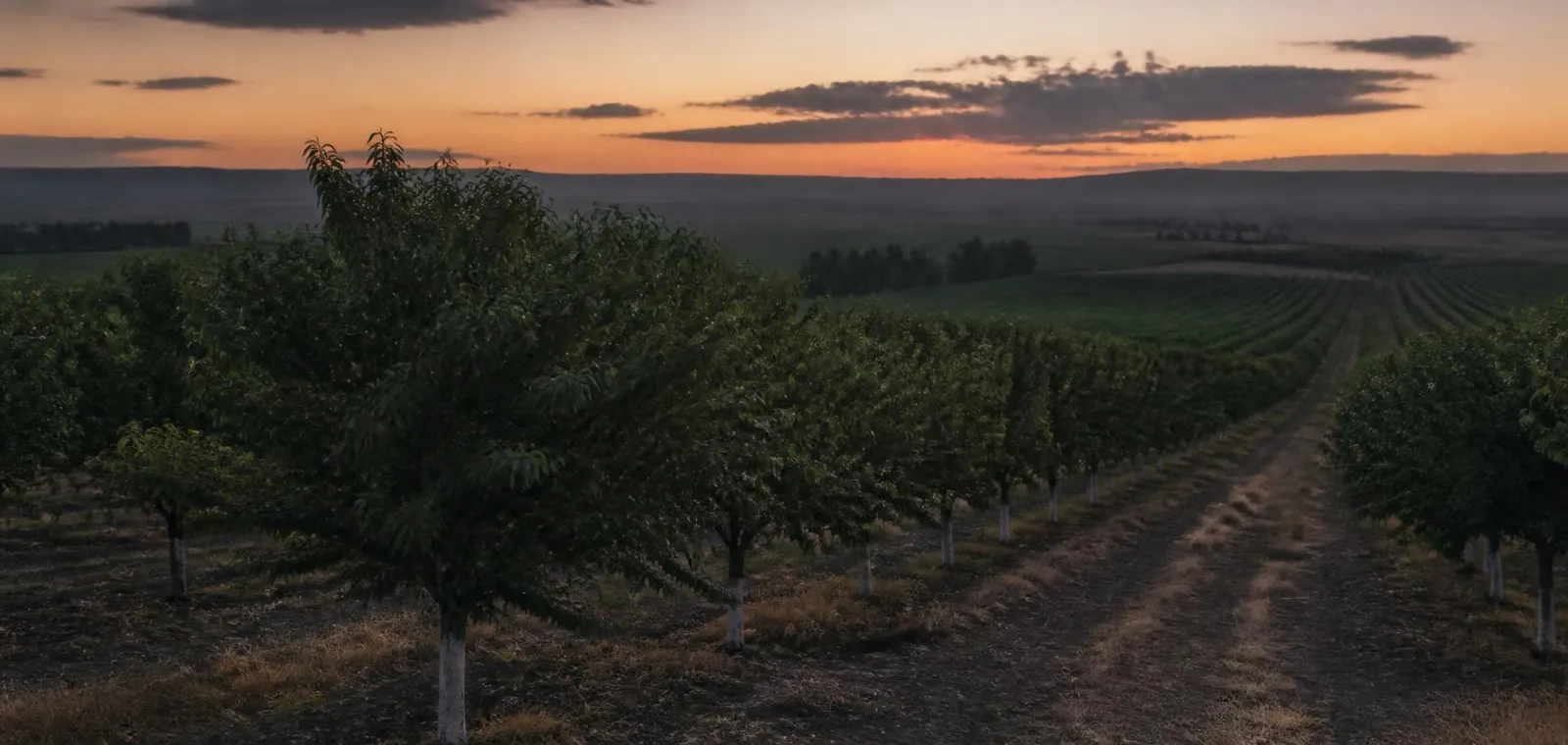
Cherries and prunes bloom after almonds, in March and April, and they make very different demands on the bees. Here is how to plan for each.
Cherries: a crop that needs a heavy set
Penn State Extension notes that cherries need about 80% of their flowers pollinated to give a commercial crop. Apples need only about 2% to 5%. That is why cherry growers lean so heavily on managed honey bees.
Most sweet cherry varieties also need pollen from a different variety. A few, such as Stella and Lapins, are self-fruitful.
How many hives for cherries?
- Starting point: Penn State's rule of thumb is to begin with one colony per acre and adjust for orchard size and layout.
- Pacific Northwest average: Oregon State's PNW 623 lists an average of two hives per acre for cherries.
- Wet springs: The same publication advises growers in wet regions to add about one hive per acre as insurance against poor flying weather.
How to tell if you have enough bees
Washington State University gives two simple field checks for tree fruit:
- In a mature orchard you should see about 25 to 35 bees working each cherry tree.
- On a warm (65°F or warmer), sunny day, at least 75 bees per minute should be going into each hive entrance.
WSU also found that about 80% of honey bee foragers in cherry orchards are collecting pollen, which is exactly the job you are paying them for. Winds above about 15 mph slow foraging or stop it.
Prunes: bees as insurance
UC Cooperative Extension's Sacramento Valley prune newsletters advise ordering bees at about one hive per acre. UC advisors describe bees as a good insurance policy for prunes: in a strong bloom with good weather they are not strictly necessary, but when bloom or weather is marginal they can make the difference.
The research goes back more than a century. UC experiments in 1916 and 1918 found bees were a necessary aid to pollination in French prunes.
Timing
Colonies should be in place as the first flowers open, not a week into bloom. Bloom fungicides are hard on bees, so UC advisors recommend spraying at night, when bees are in the hive, or arranging with your beekeeper to remove hives before a spray. (More in Spraying during bloom.)
Following almonds
Much of California's sweet cherry acreage is in the northern San Joaquin Valley, around Lodi, Linden and Escalon, right next to almond country. Many growers keep the same colonies and the same contact from almonds straight into cherries and prunes. See our cherry and stone fruit pollination page, or request colonies.
Common questions
How many beehives per acre do cherries need?
A common starting point is one strong colony per acre, with up to two per acre in wet springs, dense plantings or orchards with a history of poor set.
Do prunes need honey bees?
UC advisors describe bees as insurance for prunes. In a strong bloom with good weather they are not strictly necessary, but when bloom or weather is marginal they can make the difference. Sacramento Valley growers commonly use about one hive per acre.
Can the same colonies do almonds and then cherries?
Yes. Cherries and prunes bloom after almonds, so colonies can move from almond orchards into stone fruit with the same beekeeper and contact.
Planning for 2027 bloom?
Tell us about your blocks and we'll recommend a stocking rate and send a quote within one business day.