
Our standard
We don't rent boxes.
We deliver bees.
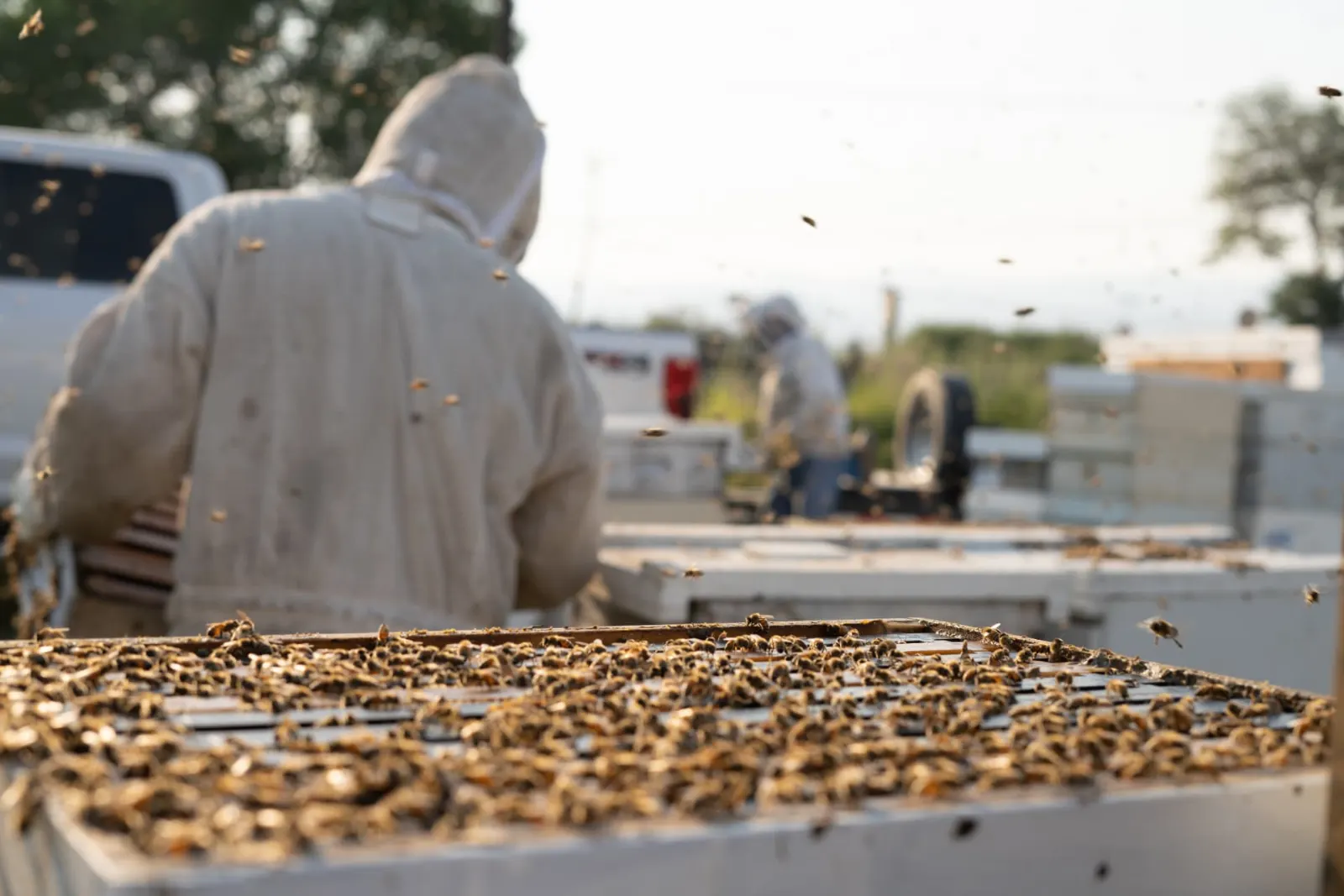
What pollinates your crop is the number of frames covered in bees. Here is exactly how we make sure you get them.
What a frame count means
A standard hive box holds ten frames. Lift the lid and count how many are covered in bees. A colony covering eight frames has tens of thousands of foragers ready to work your bloom. A colony covering four is a box on a pallet.
University and Almond Board guidance tells growers to write a strength standard into every contract. We put ours in writing before you ask.
Four promises in every contract
- 1
Written into your contract
Your agreement states the minimum average frames of bees per colony, the number of colonies, delivery timing and removal. No guessing about what you are paying for.
- 2
Graded at delivery
Our crew opens a sample of colonies in every drop and counts frames covered in bees. Weak colonies are replaced, not left in your orchard.
- 3
Your inspector welcome
Many growers hire an independent inspector to open hives during bloom. We welcome it and will meet them in the orchard.
- 4
A written bloom report
After bloom you receive colony counts, grades and placement for each block, so you can plan next year with real numbers.
Our partner network
One standard, whoever owns the bees.
Our own colonies anchor every season. For larger orchards and busy years we add colonies from partner beekeepers we vet ourselves. That is how we take on any size project without lowering the bar.
Vetted before the season
Each partner beekeeper is reviewed before we place a single colony. For 2027 we approved about 50 of the roughly 100 beekeepers who applied.
Graded like our own
Partner colonies are opened and graded at delivery against the same written frame standard as ours. No exceptions for size or schedule.
Replaced if weak
If a partner colony comes in below standard, it is replaced. Your contract is with us, so the promise is ours to keep.
One contract, one contact
You sign one agreement and call one number, whether your orchard takes 40 colonies or 8,000.
How we keep colonies strong
Strong colonies at bloom start months earlier, in our holding yards.
- Mite control
Varroa mites are the biggest threat to colony health. We monitor and treat on a schedule so colonies arrive healthy.
- Nutrition
Colonies are fed through winter so they build up before bloom instead of during it.
- Pesticide coordination
We ask for 48 hours notice before any spray near the bees and coordinate timing with your PCA.
- Registered and marked
Every apiary is registered with the county, and every drop is clearly marked with a name and phone number.
- Water
We make sure every drop has a clean water source close by.
Before you sign with anyone
Seven questions to ask any beekeeper. Here are our answers.
UC farm advisors and the Almond Board both tell growers to get colony strength, inspection and communication in writing. Ask every pollinator these questions, us included.
What frame count do you guarantee?
A minimum average frames of bees per colony, written into your contract before delivery.
How and when are colonies checked?
We open and grade colonies in every drop at delivery, when it matters, not at the end of bloom.
Can I bring my own inspector?
Yes. Independent inspection is welcome from day one, and we will meet your inspector in the orchard.
What happens if colonies come in weak?
Weak colonies are replaced. You are not left paying for boxes that are not working.
Whose bees are they?
Our own colonies, wintered in our holding yards, plus colonies from partner beekeepers we have vetted. Every colony, whoever owns it, is graded at delivery against the same standard, and we tell you where your colonies come from.
Who do I call during bloom?
One phone number for the whole season, answered by people who know your blocks.
What do I get afterward?
A written bloom report with colony counts, grades and placement for each block.
Partners in bee safety
Bloom is a team job.
The Almond Board's Honey Bee Best Management Practices put it plainly: growers, PCAs, applicators and beekeepers share responsibility for protecting bees, and need a clear line of communication during bloom. We set that line up before the first colony arrives.
New to the details? Read How almond pollination works or our grower guides.
- Before delivery: we agree on drop sites, access for night moves, water, and who calls petal fall.
- During bloom: we ask for 48 hours notice before any spray near the bees and coordinate timing with your PCA.
- Every drop: registered with the county and marked with our name and phone number.
- After bloom: colonies come out on schedule and your written bloom report follows.
Ask for our standard in writing.
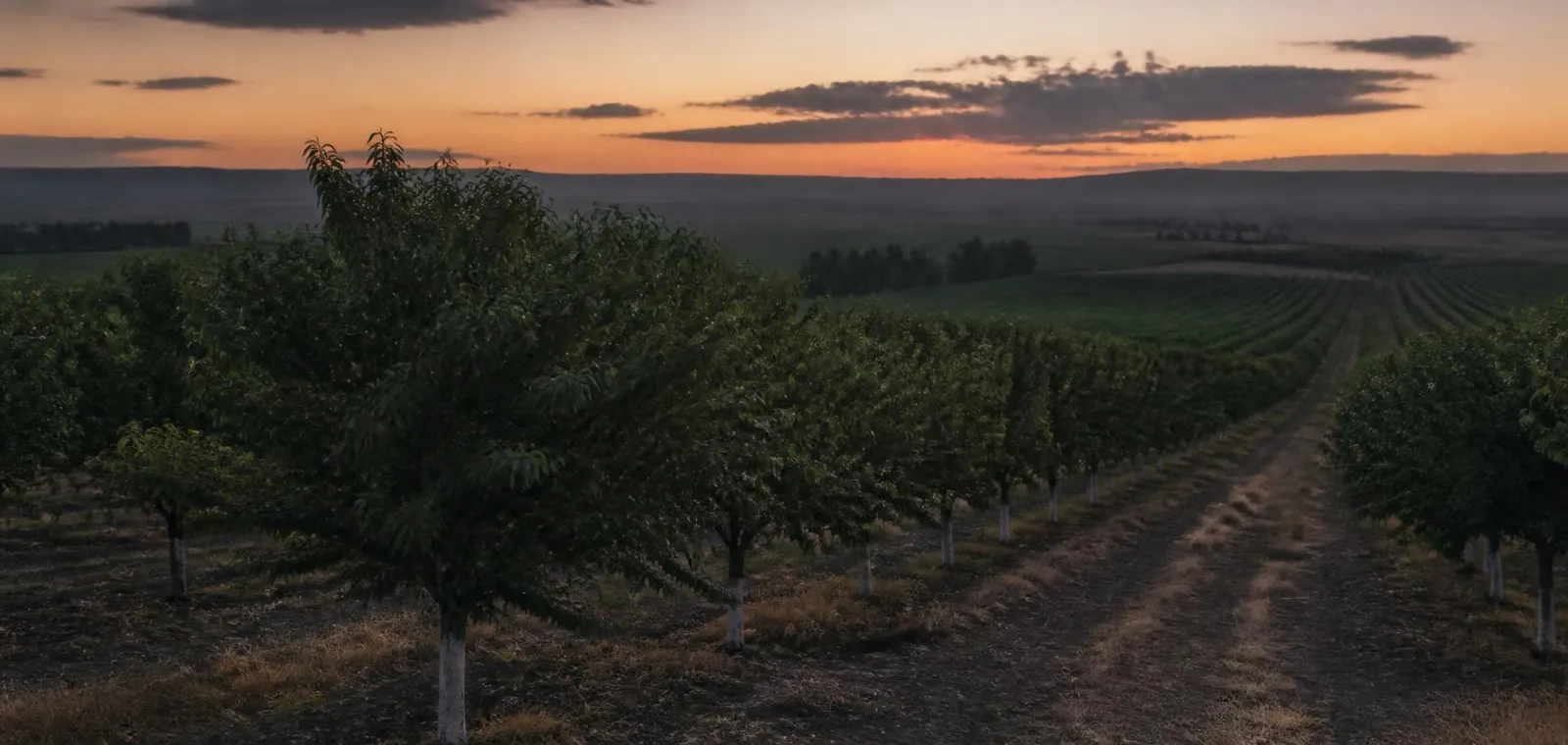
Colonies for the 2027 almond bloom are being committed now. Tell us about your blocks and we will call you within one business day.