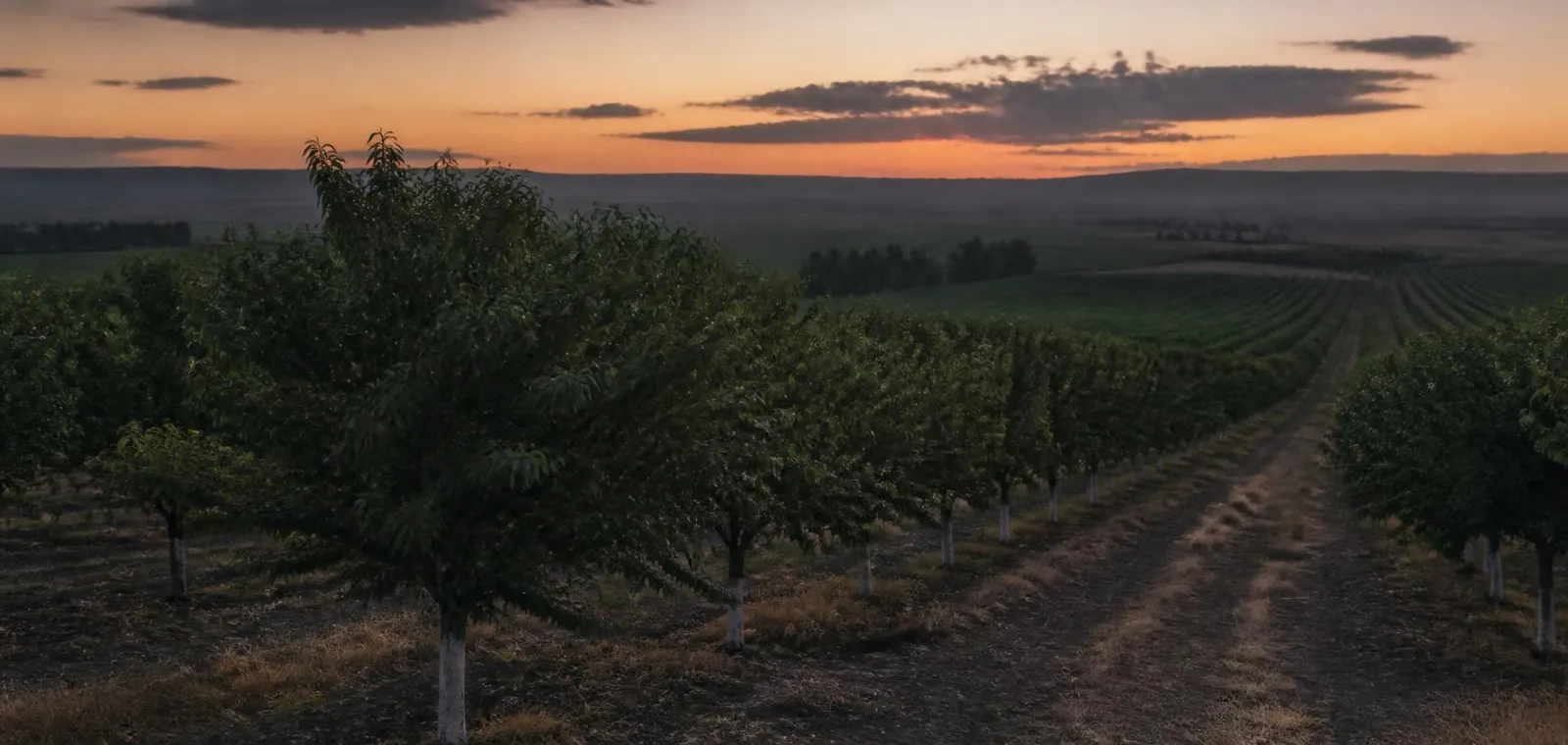
How bloom weather affects almond pollination: cold, rain, wind and frost
Bees need about 55°F, light wind and no rain. Here is what bad bloom weather does, and what you can still control.
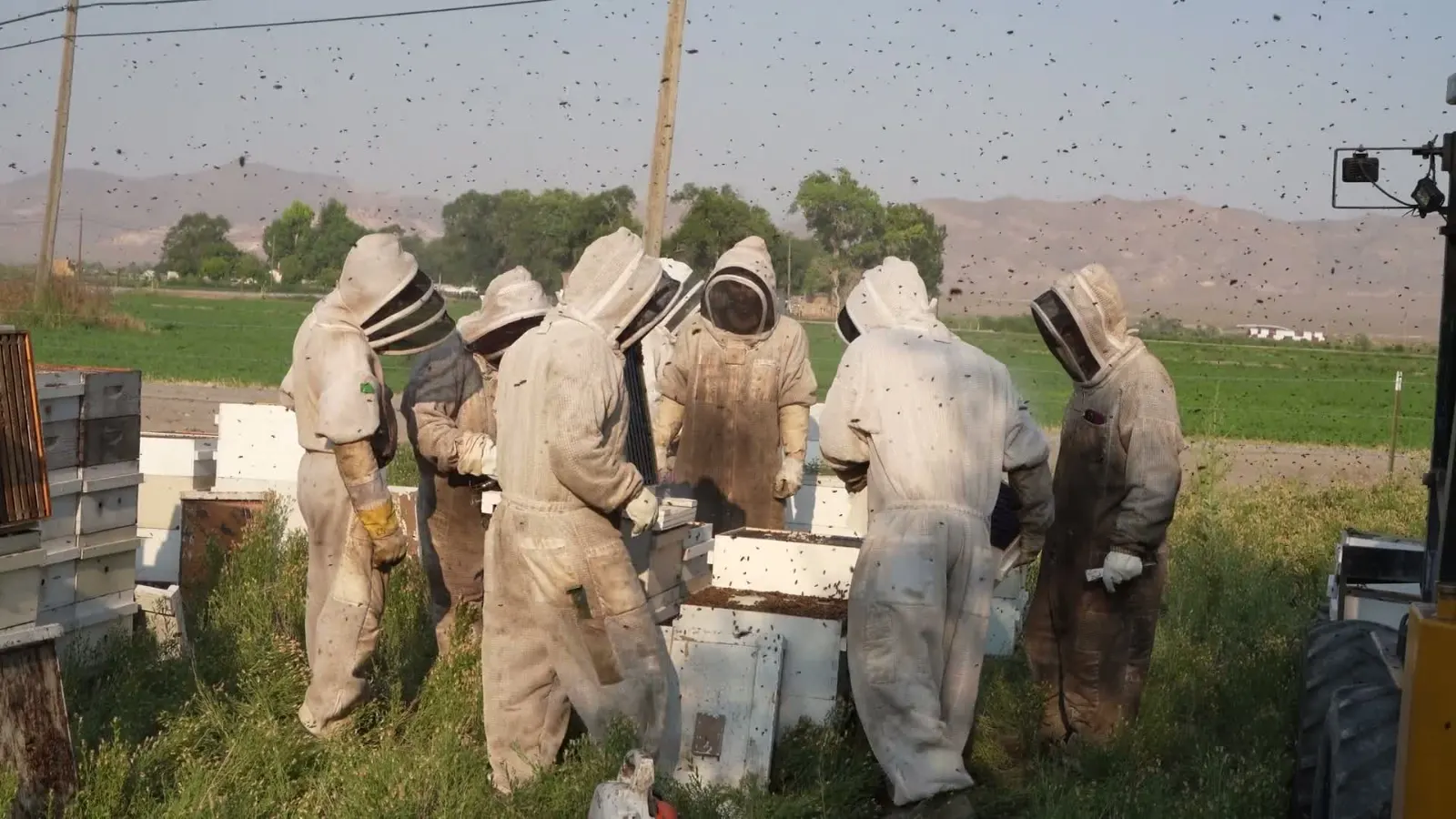
Almond pollination happens in a short window, in the coldest, wettest part of the year. Weather decides how much of that window the bees can use. Here is how it works.
What bees need to fly
UC Davis extension apiculturist emeritus Eric Mussen defines bee "flight hours" as hours above 55°F, with wind under 15 mph, enough sunlight and no rain. UC farm advisor Franz Niederholzer gives the same thresholds. In his words, the more bee hours in the orchard, the better.
Statewide, almond pollination season runs from about February 10 to March 10, but each orchard's own bloom lasts around 10 days. Mussen has estimated about nine flight hours a day over a 10-day bloom. Lose three or four days to rain and you have lost a third of your pollination time.
What rain does
- It keeps bees home. By almond bloom, colonies are collecting all the pollen they can to feed a growing brood nest. Mussen notes that a long spell of bad weather interferes with foraging and leaves little food to raise new bees.
- It brings disease. Wet bloom favors fungal infections, and frequent rain often means more sprays. Those should go on in the evening or at night. (See Spraying during bloom.)
- It shifts bloom. Cool, wet weather can delay bloom for a short time before the flowers open anyway.
What frost does
Dormant almond buds handle cold well, but sensitivity rises as bloom advances. UC Butte County farm advisor Joe Connell's frost guidance gives critical temperatures that vary with the stage of bloom:
| Stage | Critical temperature |
|---|---|
| Green tip | About 25°F |
| Popcorn | About 27°F |
| Full bloom | About 28°F |
| Small nuts | About 30°F |
Frost kills the ovary of the flower, which turns brown when you cut it open. Damage depends on variety, how cold it gets and for how long.
Frost protection basics
- Keep the orchard floor mowed. UC IPM advises keeping vegetation under trees mowed to reduce frost risk.
- Use sprinklers by wet-bulb temperature. UC advisors say to turn frost protection sprinklers on when the wet-bulb temperature is still above the critical temperature, and off only when the wet-bulb is back above it. Starting late can cool the orchard and make damage worse.
What you can control
- Colony strength. Stronger colonies start flying earlier in the day and forage in more marginal weather than weak ones. In a cold bloom, an 8-frame colony is worth far more than two 4-frame ones. (See What is a frame count?)
- Stocking rate. Extension guidance for wet regions is to add about one hive per acre as insurance. UC also suggests leaning toward two to three strong hives per acre in cold, wet bloom years.
- Drop placement. Sunny, east-facing drops warm up first. (See Where to place beehives.)
- Pollinizer overlap. When varieties overlap well, bees can move pollen in the few good hours they get. (See Almond varieties and bloom timing.)
Our own colonies are built up in holding yards through winter so they are strong at bloom, and every colony is graded at delivery. Book 2027 bloom.
Common questions
What temperature do honey bees need to pollinate almonds?
Bees generally fly above about 55°F, with wind under 15 mph, some sun and no rain. Stronger colonies start earlier in the day and forage in more marginal weather.
At what temperature does frost damage almond blossoms?
It depends on the stage. UC frost guidance puts critical temperatures at about 25°F at green tip, 27°F at popcorn, 28°F at full bloom and 30°F at small nut stage.
How long does almond bloom last?
Statewide, almond pollination runs from about February 10 to March 10, but each orchard's own bloom lasts around 10 days.
Planning for 2027 bloom?
Tell us about your blocks and we'll recommend a stocking rate and send a quote within one business day.