Kiwifruit pollination: how many hives per acre?
Kiwifruit flowers offer pollen but no nectar, so vineyards need a lot of bees in a short window. What the research says and how to plan.
Kiwifruit is a small crop in California next to almonds, but it is one of the most bee-dependent. Here is why, and what the research says about stocking rates.
California kiwifruit at a glance
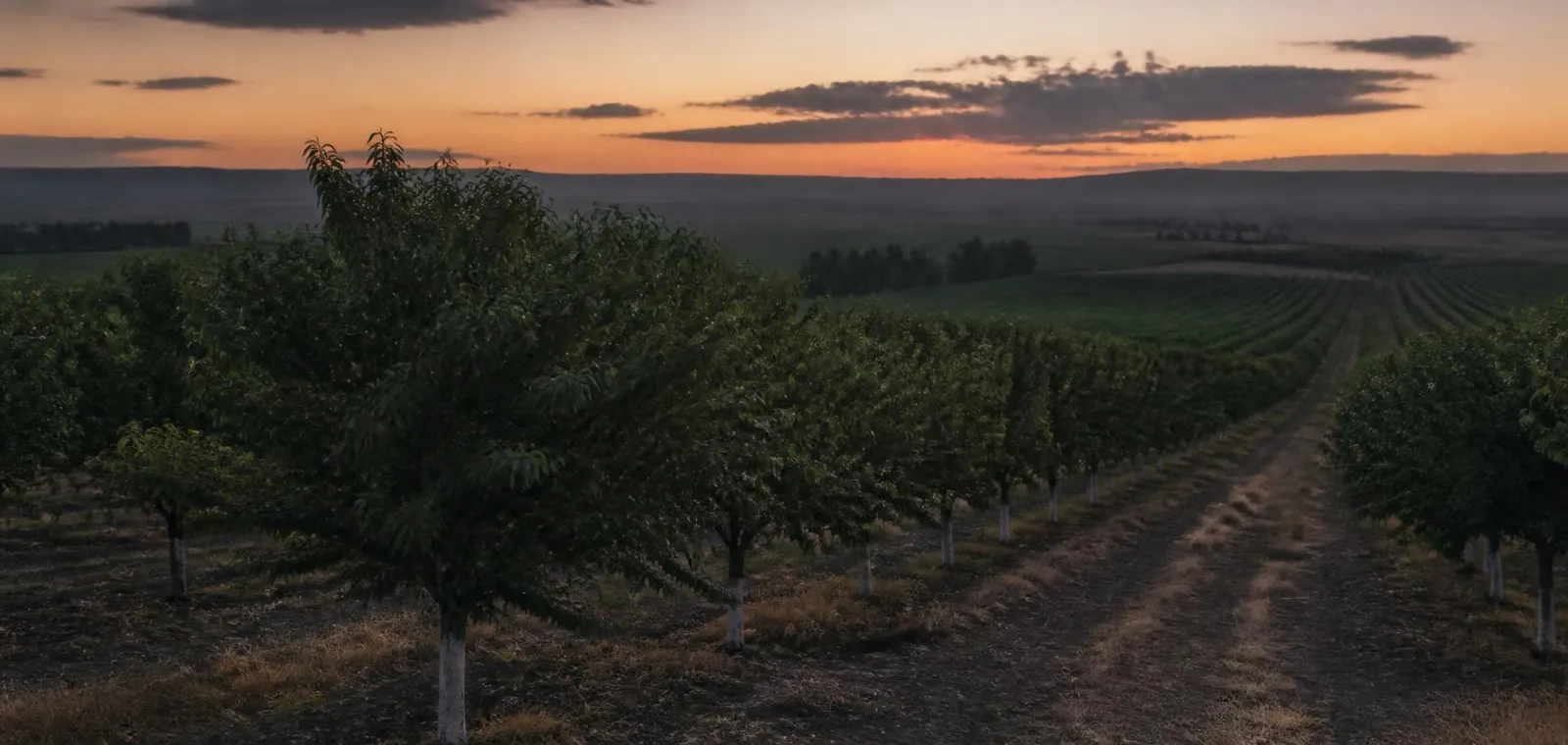
USDA counted about 5,200 bearing acres of kiwifruit in California in 2025, producing 40,600 tons worth $112.7 million. The crop is relatively young here: UC notes the first plantings went in in 1967, and by 1971 at least 100 acres were planted, mostly in Butte and Kern counties.
Why kiwifruit needs bees
- Separate male and female vines. Kiwifruit flowers are either male or female, on different plants. A typical planting ratio is one male to eight female vines.
- Wind is not enough. UC says bees are necessary for pollination and that wind pollination is unsatisfactory because it does not produce large fruit. Researchers agree that wind alone does not produce marketable kiwifruit.
- No nectar. Kiwifruit flowers produce pollen but no nectar, which makes them unattractive to bees. Growers make up for it by flooding the vineyard with bees during flowering.
How many hives per acre?
Most published guidance comes from New Zealand, the world's best-studied kiwifruit system:
| Source | Per hectare | About per acre |
|---|---|---|
| Common New Zealand practice (NZ Herald) | 8 hives | 3.2 |
| A New Zealand pollination beekeeper (NZ Herald) | 10–12 hives | 4–5 |
| Range of proposed rates in research reviews | 3–8 colonies | 1.2–3.2 |
A 2020 modeling study built from New Zealand orchard data found most of the pollination benefit came from the first 6 to 8 bees per 1,000 flowers, with diminishing returns after that, and recommended enough hives to keep more than six bees per 1,000 flowers. A second modeling study found that where hives are placed, and how the orchard is laid out, affected fruit set more than how well male and female flowering lined up.
Hive strength and timing
New Zealand's Kiwifruit Pollination Association standard has called for a pollination hive to have at least a dozen frames of bees, a queen and room to expand. Frame standards may be defined differently from one country or contract to the next, so agree on what a frame of bees means in your contract. One New Zealand beekeeper describes hives staying in a conventional kiwifruit orchard for about 10 days.
Because the flowers offer no nectar, bees placed long before female flowers open may settle on other forage. Plan delivery with your beekeeper around your vines' bloom, and spread hives through the block rather than at one end.
Planning for your vineyard
We do not know of a current UC stocking recommendation for California kiwifruit, so treat the New Zealand figures as a starting point. Our colonies work kiwifruit along with melons and other specialty crops after almond bloom. Tell us your acreage, varieties and expected bloom dates and we will tell you straight what we can supply. Ask about kiwifruit colonies.
Common questions
How many beehives per acre for kiwifruit?
About 3 per acre is a common starting point. New Zealand practice is often about 8 hives per hectare (roughly 3.2 per acre), some beekeepers use 10 to 12 per hectare (4 to 5 per acre), and research reviews cite rates from 3 to 8 colonies per hectare.
Why does kiwifruit need so many bees?
Kiwifruit flowers produce pollen but no nectar, so they are not very attractive to bees. Male and female flowers are on separate vines, and wind alone does not produce large, marketable fruit.
Can kiwifruit be pollinated by wind?
Not well enough for a commercial crop. UC says wind pollination is unsatisfactory because it does not produce large fruit.
Planning for 2027 bloom?
Tell us about your blocks and we'll recommend a stocking rate and send a quote within one business day.