Beehive theft in almond orchards: what growers can do
Hive thefts spike every January and February. How they happen, and simple steps that make your orchard a harder target.
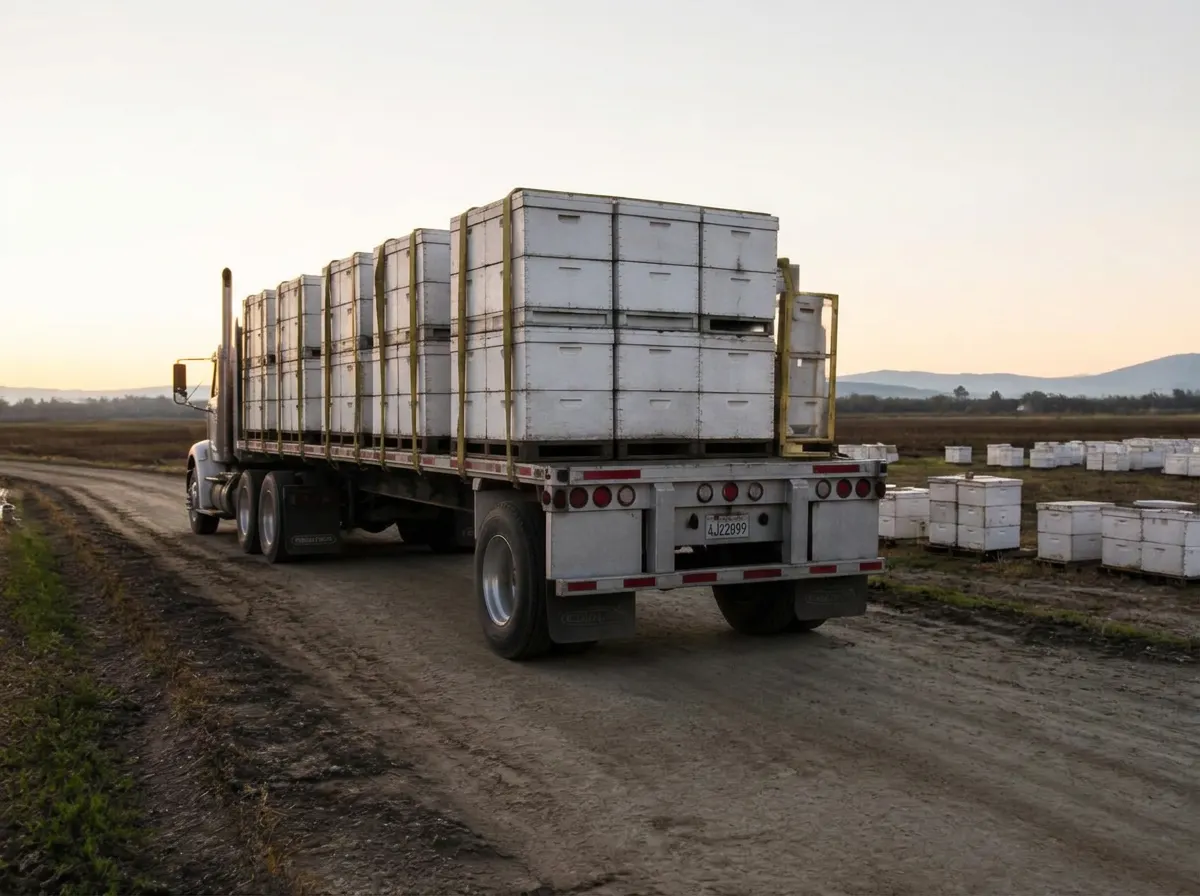
Every almond bloom brings reports of stolen beehives. The California State Beekeepers Association said in February 2025 that hives were being stolen daily, at record levels. Thefts hurt beekeepers most, but they can leave a grower short of bees at the worst possible moment.
Why hives get stolen
Pollination fees have climbed from less than $50 a hive two decades ago to around $200 or more today, and a hive in an orchard is valuable and easy to move. The Fresno County Sheriff's Office says this kind of theft happens there consistently in January and February, as hives are set out for bloom. Over a few weeks in early 2022, 1,036 hives were reported stolen across California, and the largest reported heist took 384 hives from a single field.
How it happens
- At night. Thieves come when the orchard is empty and the bees are home in the hive.
- By people who know bees. According to Associated Press reporting, the thief is usually a beekeeper or someone who knows how to load and haul bees.
- To be rented again. The beekeepers association has described thieves, and even crime rings, that steal hives and rent them to growers who need bees.
What beekeepers are doing
Many beekeepers now hide GPS trackers inside boxes, mark equipment with brands or invisible ink that shows under UV light, use cable locks and cameras, and patrol orchards at night. In Butte County, prosecutors have charged hive theft as livestock theft to raise the stakes.
What growers can do
- Know whose hives are in your orchard. Your contract should name the beekeeper, the colony count and the blocks. Keep a simple drop map.
- Know how the hives are marked. Ask your beekeeper how their boxes are branded, so you can spot boxes that do not belong.
- Control access. Lock gates where you can, and tell your crew which trucks and forklifts should be there at night.
- Report fast. If you see an unfamiliar truck or forklift working hives after dark, call the sheriff and your beekeeper right away.
- Be wary of bargain bees. A last-minute offer of cheap colonies from someone you do not know is a red flag.
Our crews do the night moves into and out of your orchard, and you get one number to call all season. Book 2027 colonies.
Planning for 2027 bloom?
Tell us about your blocks and we'll recommend a stocking rate and send a quote within one business day.