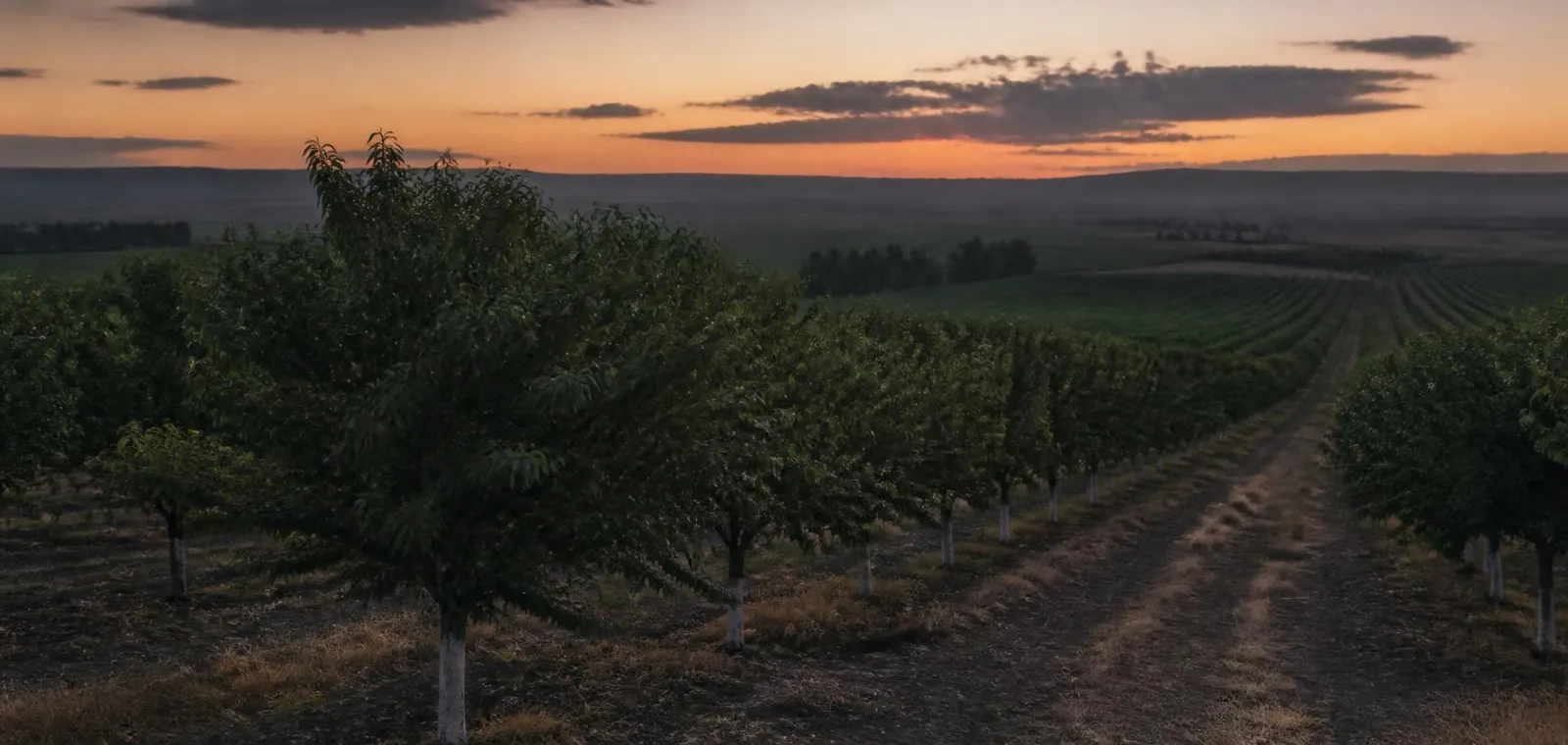
Cover crops for bees: how bloom-time forage helps your pollination
Almond pollen alone is a thin diet. How cover crops build stronger colonies, and how to get the seed for free.
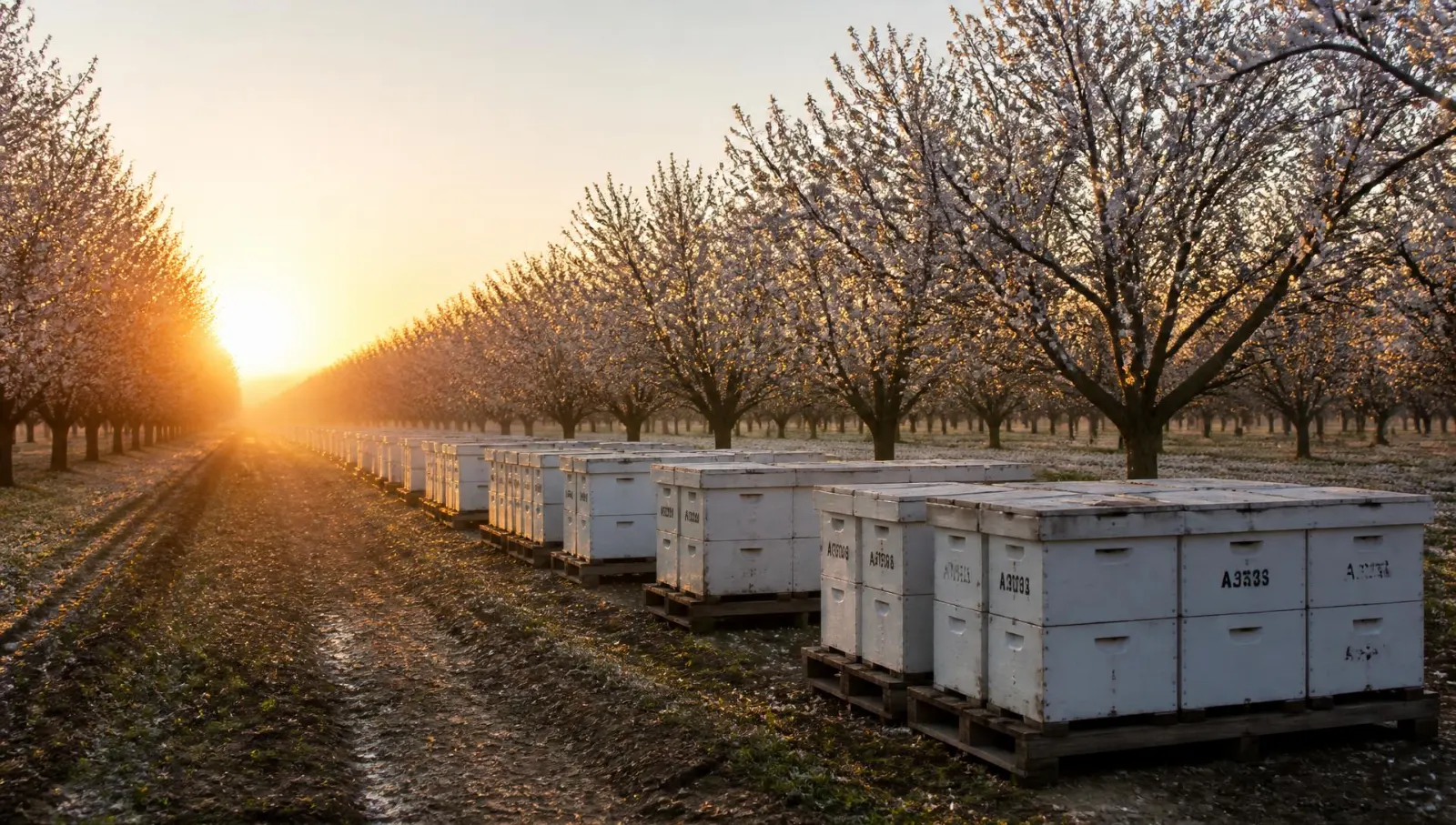
Bees in an almond orchard have plenty to eat during bloom, but not much variety, and not much before or after it. Cover crops are one of the few things a grower can do that directly builds stronger colonies.
Why variety matters
An Oregon State University study of pollen collected in pollination crops found that California almond orchards produced large amounts of pollen with low diversity, compared with crops like cherries. The gap was most pronounced in parts of the San Joaquin Valley where few other plants bloom with the almonds. Bees, like people, do better on a varied diet.
The Almond Board's Honey Bee Best Management Practices quick guide lists planting supplemental forage among the steps growers should consider.
What cover crops do
- Forage before and after almond bloom, when natural forage is scarce, so colonies arrive stronger and leave healthier.
- Soil benefits, including soil health and better water infiltration.
- Nutritious mixes: blends based on mustards and clovers bloom at the times bees need them most.
Free seed: Seeds for Bees
Project Apis m., the nonprofit at the meeting point of honey bees and pollinated crops, runs the Seeds for Bees program. It provides free cover crop seed for the first two years of enrollment, along with technical and agronomic support. Program details for the most recent cycle included:
- a minimum of 2 acres of cover crop;
- two photos a year and a short annual survey;
- an enrollment window that ran through August 31.
The Almond Board supports the program through its Bee+ Scholarship, which has sponsored more than 7,500 acres of cover crop plantings since 2020. Check the Project Apis m. website for the next enrollment window, since spaces are limited and funding varies by year.
Plan it with your PCA
Cover crops change how you manage the orchard floor in winter and spring. Talk with your PCA about mowing timing, frost and water before you plant.
Healthier bees mean stronger colonies at bloom, which is what you are paying for. Book 2027 colonies.
Planning for 2027 bloom?
Tell us about your blocks and we'll recommend a stocking rate and send a quote within one business day.